
Skip Hire for Kitchen and Bathroom Renovation Projects Guide
Kitchen and bathroom renovations are among the most popular property improvement projects undertaken by homeowners, landlords, surveyors, local authorities, and commercial property managers. Whether updating a single room, modernising an entire property, or preparing a building for new occupants, renovation work often generates a considerable amount of waste that requires careful planning and responsible disposal.
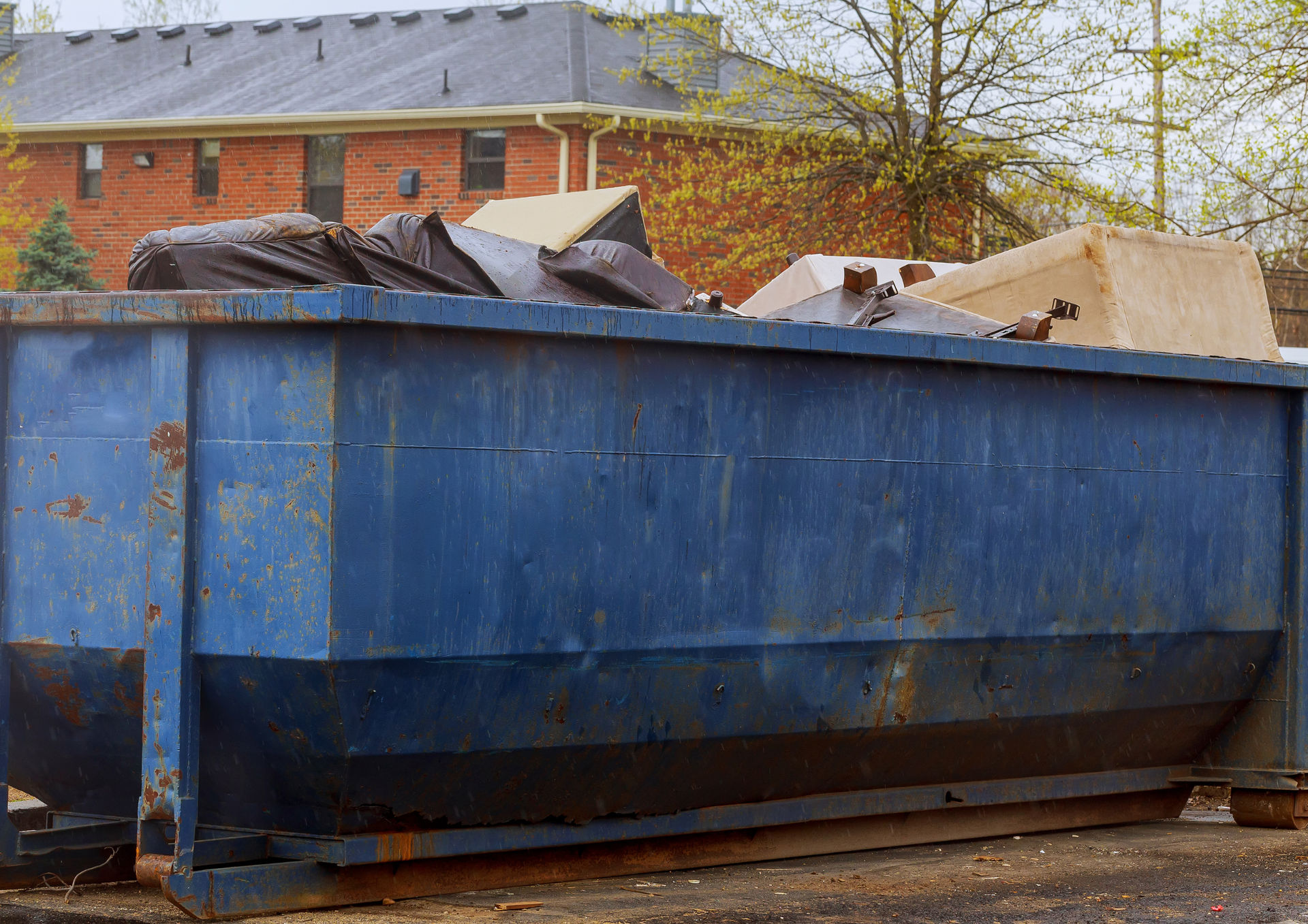
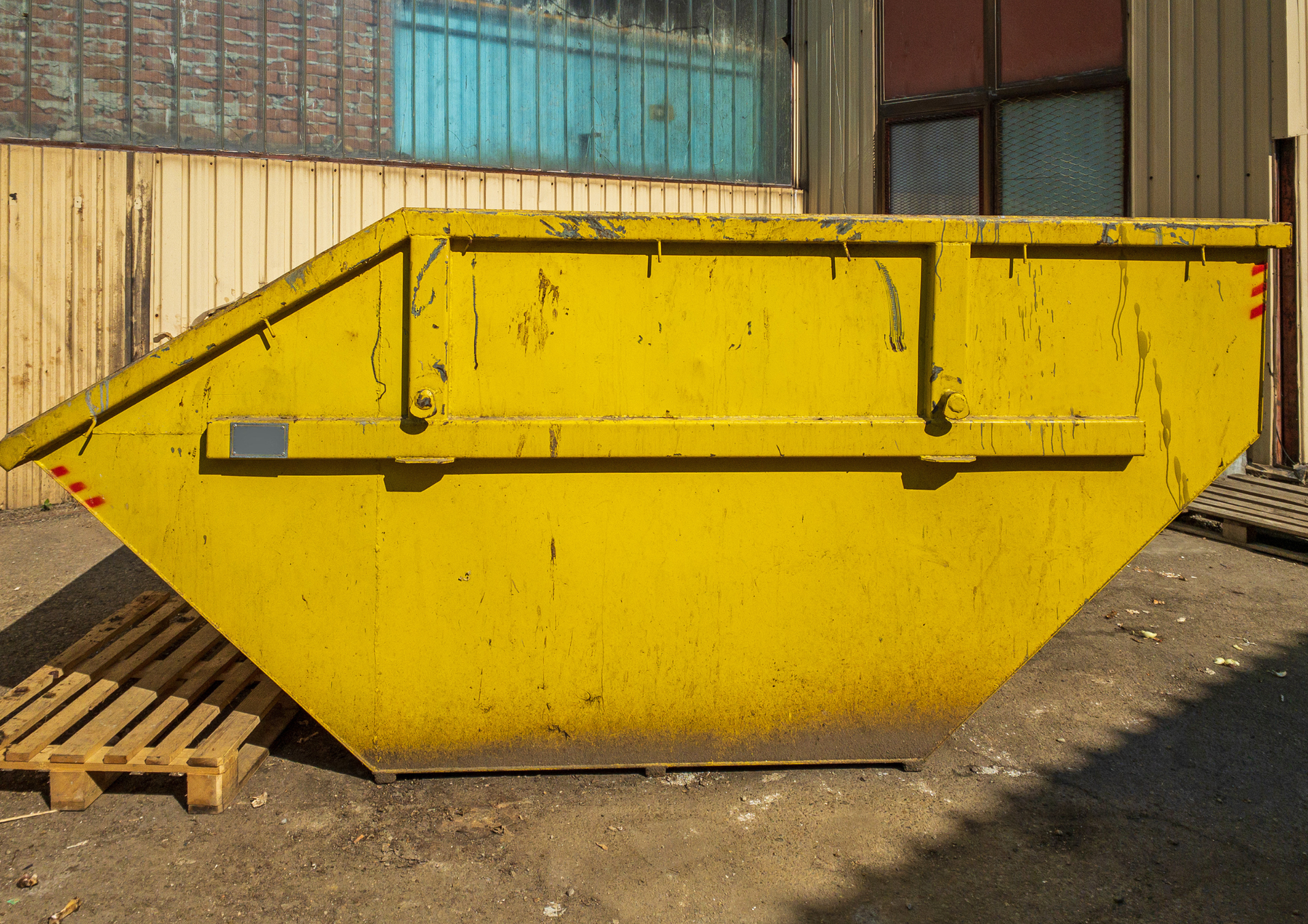
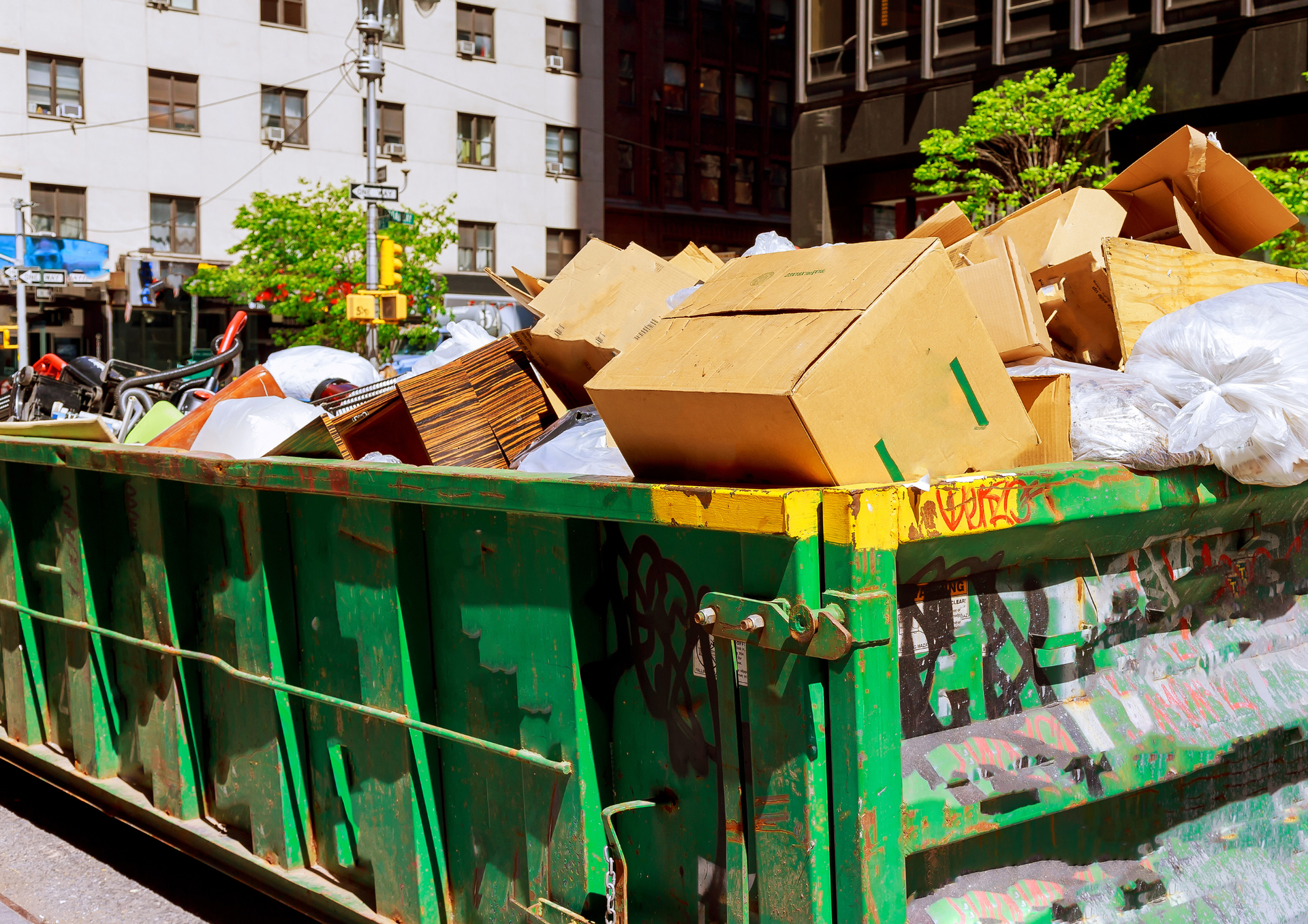
Arranging skip hire at the start of a project can help manage debris efficiently, keeping work areas organised while supporting the smooth progress of refurbishment works. From old cabinets and broken tiles to plasterboard, timber, packaging, and unwanted fixtures, refurbishment projects can quickly generate large volumes of debris. Effective waste management helps maintain a safer working environment, keeps projects organised, and supports smoother progress from start to finish.
Planning Waste Management Before Renovation Begins
Many property owners focus heavily on design choices, budgets, and contractor arrangements while overlooking waste management requirements. However, arranging skip hire and organising waste disposal before renovation starts can significantly improve efficiency throughout the project, helping to keep work areas clear and allowing refurbishment work to progress with fewer interruptions.
Kitchen renovations often involve the removal of cupboards, worktops, splashbacks, flooring, sinks, appliances, and packaging from newly delivered materials. Bathroom projects can produce similar waste streams, including old baths, shower enclosures, sanitary ware, tiles, pipework, and damaged wall coverings. Without a clear disposal plan, waste can accumulate rapidly and create unnecessary disruption.
A well-planned waste strategy allows renovation teams to work more effectively while helping property owners maintain cleaner and safer surroundings. Removing waste regularly also reduces the likelihood of materials obstructing access routes or creating avoidable hazards.
Property surveys conducted before renovation work begins often reveal additional materials that require removal. Older buildings may contain multiple layers of flooring, outdated fixtures, damaged plaster, or redundant fittings that increase overall waste volumes. Planning for these possibilities helps avoid last-minute disposal challenges as work progresses.
Professional waste management arrangements can also help maintain project momentum. When waste is removed efficiently, tradespeople can focus on completing work rather than managing overflowing piles of debris around the site.
Common Types of Waste Generated During Kitchen and Bathroom Refurbishments
Understanding the types of waste likely to be produced during a renovation helps property owners plan disposal arrangements more effectively. Kitchen and bathroom refurbishment projects can generate a wide range of materials, and identifying these waste streams in advance can make the entire project easier to manage.
Kitchen Renovation Waste
- Old kitchen cabinets and units
- Laminate, wood, or composite worktops
- Metal fixtures and fittings
- Redundant appliances
- Flooring materials
- Plasterboard and wall coverings
- Packaging from new installations
- General construction debris
Bathroom Renovation Waste
- Ceramic wall and floor tiles
- Baths and shower trays
- Sinks and sanitary ware
- Pipework and plumbing materials
- Timber and flooring materials
- Plasterboard and wall finishes
- Packaging waste from new fixtures and fittings
Commercial Refurbishment Waste
- Large volumes of fixtures and fittings
- Partition materials
- Flooring and ceiling components
- Office, retail, or hospitality refurbishment debris
- Packaging and installation waste from new equipment
Rental Property Refurbishment Waste
- Damaged fixtures and fittings
- Worn flooring materials
- Outdated kitchens and bathrooms
- General clearance waste between tenancies
- Decorative and repair-related debris
Unexpected Renovation Waste
- Hidden structural damage uncovered during works
- Outdated building materials requiring replacement
- Damaged timber and plasterwork
- Additional demolition waste discovered after project commencement
Waste volumes are not always easy to predict at the start of a refurbishment project. Many renovations uncover unforeseen issues that increase the amount of debris requiring removal, making adequate waste disposal capacity an important part of effective project planning.
Choosing the Right Waste Removal Solution for Renovation Projects
Choosing the right waste disposal solution is an important part of planning any kitchen or bathroom renovation. Several factors can influence the most suitable approach, and understanding these considerations can help property owners manage waste more efficiently throughout the project.
Project Size
- Small refurbishments may generate limited amounts of waste over a short period.
- Full kitchen or bathroom replacements typically produce significantly larger volumes of debris.
- Extensive renovation works often require greater waste disposal capacity from the outset.
Property Accessibility
- Terraced properties may have restricted access for waste collection.
- Apartment developments often require additional planning for waste removal.
- Commercial premises may need arrangements that minimise disruption to daily operations.
- Busy locations may require careful positioning and scheduling considerations.
Renovation Scope
- Cosmetic upgrades generally create less waste than complete refurbishments.
- Structural alterations may generate additional construction debris.
- Projects involving multiple rooms usually produce a wider range of waste materials.
Project Duration
- Short-term projects may require waste disposal for only a brief period.
- Longer renovation schedules often benefit from ongoing waste management arrangements.
- Regular waste removal can help prevent debris from accumulating throughout the project.
Waste Volume Expectations
- Estimating likely waste quantities helps determine suitable disposal capacity.
- Unexpected discoveries during renovation can increase waste levels.
- Allowing flexibility within the waste management plan can help accommodate unforeseen requirements.
Many property owners searching online for skip hire near me are looking for practical ways to keep renovation projects organised while ensuring waste is removed efficiently. The most effective solution is usually one that matches the size, duration, and complexity of the refurbishment, helping maintain a clean and productive working environment from start to finish.
Maintaining Efficiency, Safety, and Organisation Throughout the Project
Renovation projects often involve multiple trades working within confined spaces. Electricians, plumbers, plasterers, tilers, decorators, and flooring specialists may all require access to the property at different stages of the refurbishment process. Having suitable skip hire arrangements in place helps manage waste efficiently, keeping working areas clear and allowing different trades to carry out their tasks more effectively throughout the renovation.
Keeping work areas clear of waste supports smoother coordination between contractors and reduces unnecessary disruption. Organised sites are generally easier to navigate and help maintain productivity throughout the renovation schedule.
Waste materials left unattended can create obstacles, reduce available working space, and increase the likelihood of accidental damage to newly installed fixtures or finishes. Regular waste removal helps preserve the condition of completed work while maintaining a professional working environment.
Property owners who rent a skip often find that having a dedicated location for waste disposal encourages better organisation throughout refurbishment projects and helps prevent debris from accumulating in living or working areas.
Time management is another important consideration. Renovation schedules can be affected when waste disposal arrangements are not adequately planned. Delays caused by overflowing waste storage areas or repeated journeys to disposal facilities can impact overall project efficiency.
For projects operating within tight schedules, same day skip hire can provide a practical solution when unexpected waste volumes arise or additional disposal capacity becomes necessary during refurbishment work.
Careful planning also helps property owners remain adaptable throughout renovation programmes. Building improvements often evolve as work progresses, and additional waste may be generated as new requirements emerge. Flexible waste management arrangements support these changing project needs while helping maintain steady progress.
Many renovation projects involve staged deliveries of new materials. Packaging waste from kitchens, bathrooms, flooring, fixtures, and fittings can accumulate quickly. Having suitable waste disposal arrangements in place ensures packaging can be removed efficiently without cluttering work areas.
When planning refurbishment works, many property owners choose to order a skip in advance to ensure waste management arrangements are ready before demolition and removal work begins.
Skip Hire Cheltenham
provides dependable waste management support for homeowners, landlords, surveyors, local authorities, and commercial property managers undertaking renovation projects of all sizes. We focus on delivering practical waste disposal solutions designed to help keep refurbishment works organised, efficient, and well managed from beginning to end.
Our approach prioritises reliability, straightforward service, and professional support throughout the booking process. We understand the challenges associated with renovation projects and aim to provide solutions that help customers manage waste effectively while maintaining project momentum.
With a commitment to customer service, clear communication, and practical waste management guidance, we support residential and commercial renovation projects with solutions designed to meet a wide range of refurbishment requirements.
New Update on X:
Skip hire support for kitchen and bathroom refurbishments.
You might also like