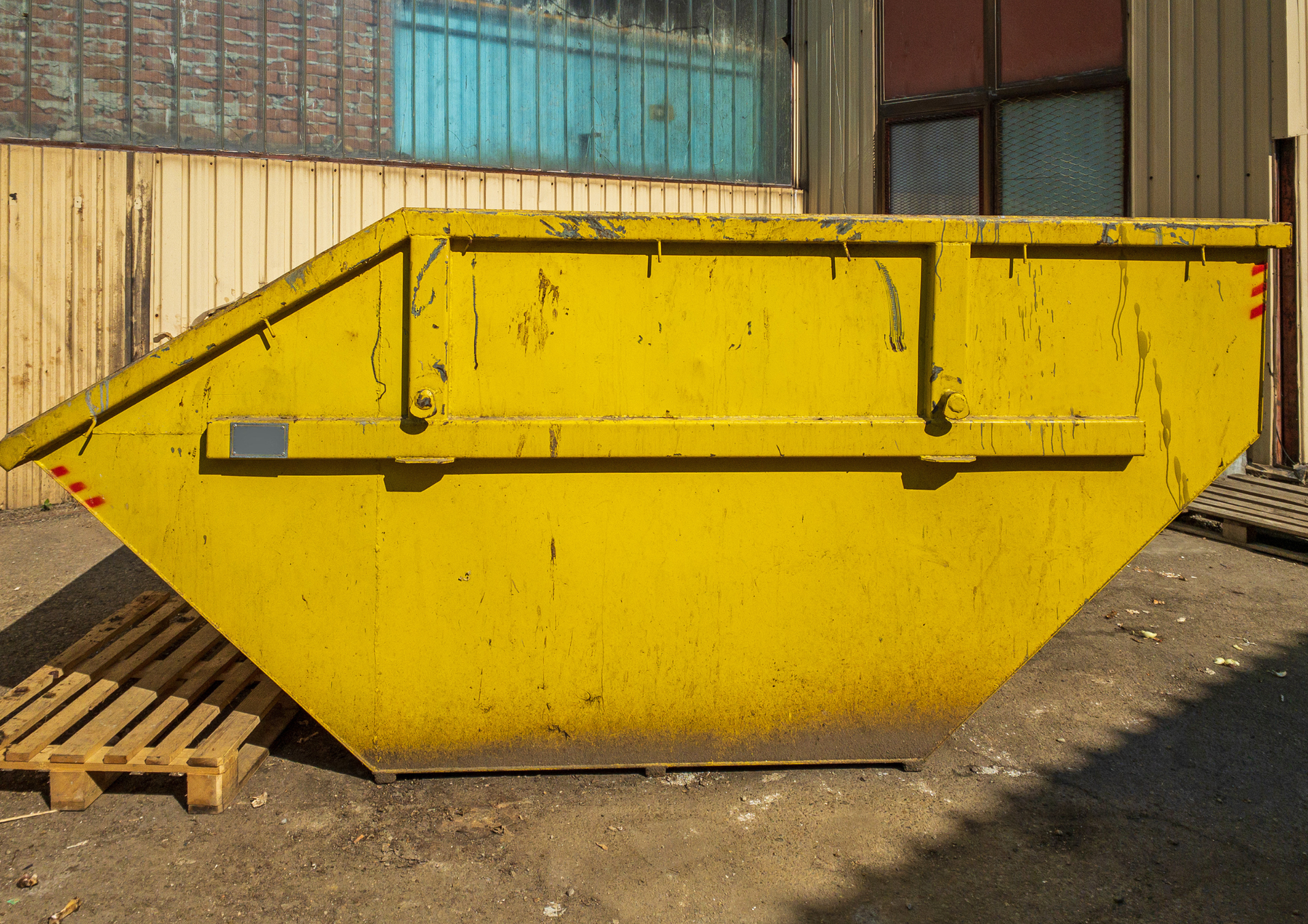

Why Comparing Skip Hire Prices Can Help You Plan a Better Budget
Planning a household clearance, renovation, garden project or commercial refurbishment involves more than deciding what work needs to be completed. Waste removal should also be considered from the beginning, particularly when the project is expected to generate substantial quantities of unwanted materials. Comparing skip hire prices before booking can give customers a clearer understanding of what they may need to allocate within their overall project budget.
For homeowners, this preparation can be particularly useful when coordinating several different expenses during renovation or improvement work.Landlords may need to organise clearances between tenancies, while surveyors and local authorities can have wider property maintenance programmes where predictable expenditure is important. Commercial properties can present additional considerations because waste management may need to fit around contractors, employees and normal business activities.
Properties throughout Cheltenham vary considerably, from traditional homes and residential developments to shops, offices and larger commercial premises. Similar differences exist throughout the UK, meaning there is no single waste removal arrangement that suits every project.
Comparing options beforehand allows customers to consider capacity, duration, accessibility and expected waste volumes together. Rather than treating disposal as an unexpected expense once work has started, it becomes part of the wider project plan. This can make budgeting more manageable while helping waste removal fit naturally around each stage of the work.
Understanding What Can Influence the Amount You Pay
Several factors can affect the amount required for waste removal, which is why comparing quotations should involve more than simply identifying the lowest figure. Understanding these considerations allows customers to assess whether an option is appropriate for their project and whether the service provides suitable overall value.
Container Size
- Smaller containers can suit modest household clearances, decorating work and smaller DIY projects where relatively little material is expected.
- Medium capacities may be more appropriate for kitchen renovations, bathroom refurbishments and larger garden clearances.
- Bigger options can provide the space required for extensive renovations, commercial work and substantial property clearances.
- Estimating the expected volume before booking can help avoid paying for unnecessary capacity or requiring additional arrangements later.
Type of Waste
- Household belongings, garden materials and construction debris occupy space differently and may require different handling.
- Heavy materials should be considered separately from lightweight but bulky items when estimating requirements.
- Customers should establish what can be placed inside the container before work begins.
- Understanding the likely waste stream makes it easier to choose an appropriate option.
Hire Period
- A short household project may only require waste facilities for a limited period.
- Renovations and commercial projects can continue for considerably longer and may require more careful scheduling.
- Estimating the project timetable before booking can help customers coordinate delivery and collection more effectively.
- Allowing sufficient time prevents the work from being rushed simply because waste removal arrangements have not been planned properly.
Accessibility and Placement
- Driveways, private land and suitable site areas can provide straightforward positioning where sufficient access is available.
- Narrow roads, parked vehicles, gates and other restrictions should be identified before delivery.
- Commercial sites may need deliveries coordinated around staff, customers or contractors.
- Where placement on public land is required, customers should establish what arrangements may be necessary in advance.
Looking for cheap skip hire can be understandable when working within a limited budget, but the lowest quotation should always be considered alongside capacity, reliability and the practical requirements of the project. Good value comes from choosing a suitable service rather than reducing the initial expense at the cost of convenience or efficiency.
Comparing Quotations on a Like-for-Like Basis
Price comparisons are most useful when customers understand what each quotation represents. Looking at several figures without considering the differences between the services can create a misleading impression of which option offers the strongest value.
Container capacity should be one of the first points compared. A quotation for a smaller option cannot be assessed directly against one for substantially greater capacity without considering how much waste each can accommodate. If the smaller choice fills sooner than expected, further arrangements could become necessary and alter the original budget.
Customers should also consider the expected hire period. A quotation that appears attractive initially may not match the required project schedule. Establishing how long the container will be needed and discussing this before booking makes comparisons more meaningful.
Delivery and collection arrangements are equally relevant. Reliable scheduling can be particularly important during renovation or commercial work because contractors may depend on having clear working areas. Waste that remains on site because collection has not been coordinated properly can interfere with later stages of the project.
When comparing skip prices, customers should therefore examine capacity, duration, service arrangements and suitability together. A slightly different quotation may provide better overall value if it matches the requirements of the project more closely and reduces the likelihood of additional arrangements becoming necessary.
Waste type also deserves attention. Customers should provide an accurate description of what they expect to remove rather than assuming every material can be handled in exactly the same way. This gives providers a clearer understanding of the work and helps customers receive information relevant to their actual requirements.
For residential projects, comparing quotations early can make it easier to incorporate waste management into renovation or clearance budgets. Commercial property managers can use the same approach when coordinating expenditure across larger projects, while landlords and local authorities may benefit from understanding requirements before contractors begin work.
A useful comparison should therefore answer more than the question of which figure is lowest. It should help identify which option provides appropriate capacity, fits the project timetable and offers practical arrangements for delivery and collection.
Matching Your Waste Requirements to the Available Budget
Good budgeting starts with understanding what the project is likely to produce. Waste volumes can be difficult to estimate precisely, but breaking the work into categories provides a useful starting point. Comparing skip hire prices against these requirements can then help customers choose a practical option without automatically selecting either the smallest or largest capacity available.
Household Clearances
- Consider the number of rooms being cleared and whether furniture or other bulky items will be removed.
- A single-room decluttering project will usually have very different requirements from clearing an entire property.
- Looking through each room beforehand can provide a more realistic estimate of the amount requiring disposal.
- Suitable items can sometimes be dismantled to use available capacity more efficiently.
Renovations
- Kitchen and bathroom refurbishments can generate old units, fixtures, flooring and other materials quickly.
- Larger renovations may produce waste across several different stages rather than all at once.
- Planning for the complete project can provide a more accurate picture than considering only the first stage.
- Coordinating waste removal with contractors can help keep working areas accessible.
Garden Projects
- Branches, shrubs, old fencing and other outdoor materials can occupy considerable space.
- Landscaping projects may produce different quantities depending on whether existing features are being removed.
- The volume of garden material should be considered before choosing capacity.
- Organising waste as work progresses can help maintain clear access around the property.
Commercial Properties
- Office clearances may involve furniture, fixtures, shelving, packaging and general unwanted materials.
- Shop refurbishments can create waste as displays, fittings and interior features are replaced.
- Larger commercial projects may need waste removal coordinated with several contractors.
- Delivery and collection should be planned to minimise interference with employees, visitors and normal operations.
Accurate estimation does not require customers to know the exact volume before work begins. Instead, the aim is to develop a reasonable understanding of the project so that the available budget can be allocated sensibly.
Planning Ahead to Prevent Unexpected Waste Expenses
Waste management is easier to budget for when it is considered before the project begins. Leaving disposal arrangements until unwanted materials have already accumulated can limit the available choices and make it harder to coordinate delivery with the work taking place.
Start by considering when waste is likely to be produced. Demolition and strip-out stages can generate substantial quantities within a short period, whereas decorating or landscaping work may produce materials more gradually. Understanding this pattern helps determine when a container should arrive and how long it may be required.
It is also worth preparing the proposed delivery area beforehand. Vehicles need appropriate access, and the chosen position should allow the container to be loaded conveniently without creating unnecessary disruption. Identifying obstacles early gives customers time to make alternative arrangements if required.
Underestimating capacity can have budget implications. If a container becomes full while substantial work remains, another arrangement may be necessary. Conversely, selecting considerably more capacity than the project requires can mean paying for unused space. A balanced estimate is therefore preferable to simply choosing an option at either extreme.
Understanding the likely skip hire cost at the planning stage allows customers to include waste removal within the wider project budget rather than treating it as an unexpected expense. This is particularly useful when several costs need to be coordinated, such as materials, labour, equipment and property maintenance.
Homeowners undertaking renovations can benefit from allocating funds for disposal before purchasing materials or scheduling trades. Landlords can apply the same principle when planning property clearances and improvement work between occupancies.
Surveyors and local authorities responsible for larger programmes may need to consider waste arrangements across several stages or properties. Early planning provides a clearer picture of likely requirements and makes it easier to coordinate disposal with other scheduled work.
Commercial property managers can similarly benefit from incorporating waste management into the project schedule. A considered approach to skip hire prices allows customers to balance affordability with practicality, helping them allocate their budget appropriately while maintaining cleaner and more manageable working areas throughout the project.
If contractors know where unwanted materials should be placed and when collections are expected, working areas can remain better organised.
Budgeting should therefore involve both financial and practical preparation. Understanding capacity, access, timing and waste type before booking helps customers reduce uncertainty and make decisions based on the actual needs of their project.
Skip Hire Cheltenham provides practical waste removal support for residential and commercial projects throughout the local area. We understand that customers have different requirements depending on the property, available space, amount of waste and type of work being undertaken.
Customers searching for skip hire prices near me often want more than a figure alone. Understanding available capacity, delivery arrangements and the expected project duration can be equally important when deciding which option provides appropriate value.
Our approach focuses on straightforward communication and practical guidance. Whether you are managing a household clearance, renovation, property maintenance programme or commercial project, we aim to help you understand the considerations involved before making your choice.
We recognise that careful planning can make waste removal considerably easier. By considering project requirements from the outset, we help customers organise suitable arrangements that fit naturally around the work being completed.
Check out our latest X update on how comparing
skip hire prices can help you plan a better budget for your project!
You might also like