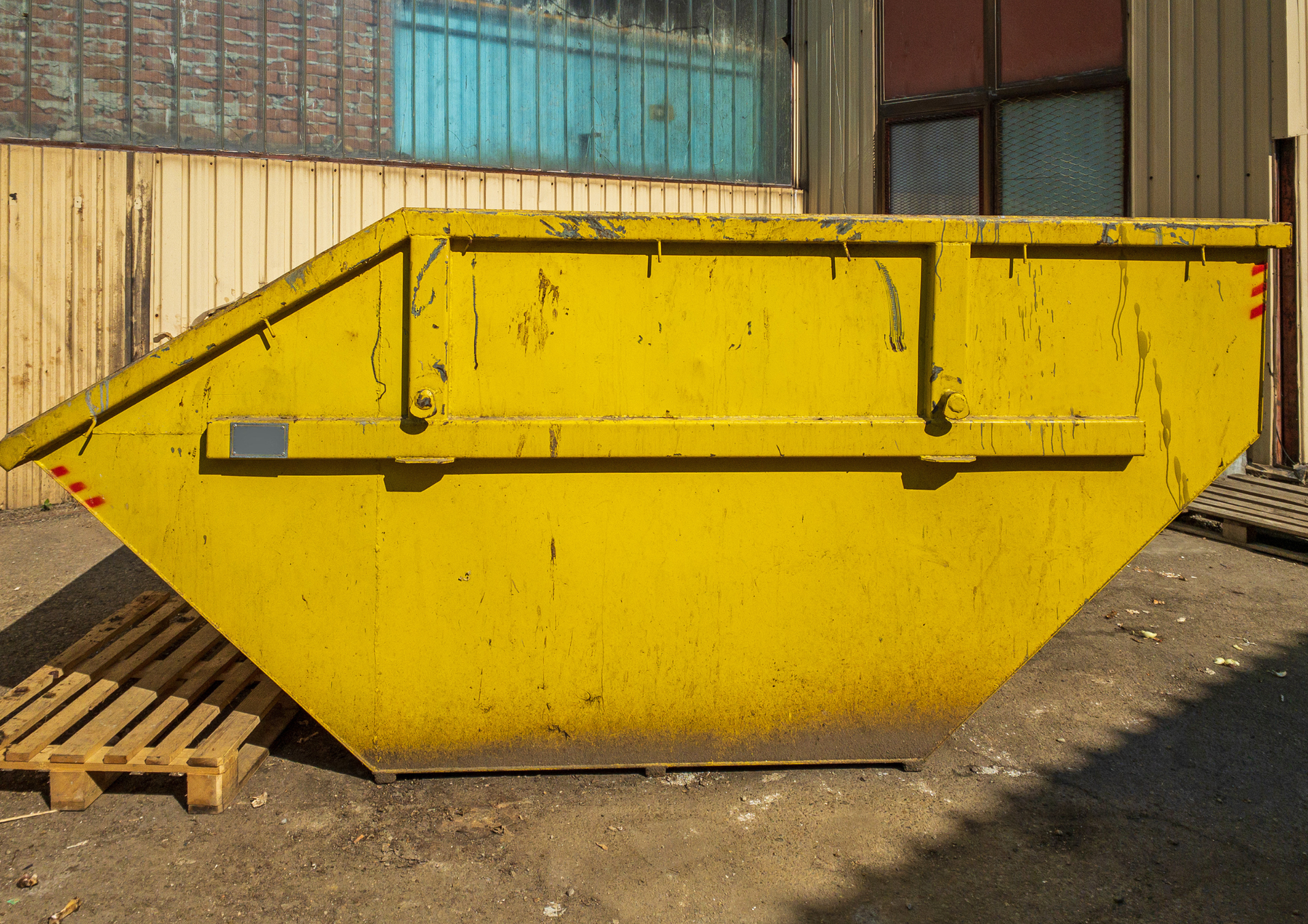

Understanding Skips and Choosing the Right Size for Household Waste
Choosing the correct waste container can make a considerable difference to how smoothly a home improvement, clearance or building project progresses. Different skips are designed to accommodate different quantities and types of material, so understanding capacity before making a booking can help prevent wasted space, unnecessary collections and disruption while work is underway.
For homeowners, landlords, surveyors, local authorities and those responsible for residential or commercial properties, the right choice depends on more than the overall scale of the project. Available space, access for delivery vehicles, the type of material being removed and the expected volume should all be considered. A small decorating project may create relatively little waste, while a complete refurbishment can produce substantial quantities of timber, old fittings, packaging and building materials.
It is also sensible to consider the project as a whole rather than estimating waste based only on what is visible before work starts. Removing fitted kitchens, flooring, cupboards or internal fixtures can generate considerably more material once everything has been dismantled. Allowing sufficient capacity from the beginning can make the working environment easier to manage and reduce the likelihood of waste becoming difficult to organise.
Before making a booking, take time to consider where the container will be positioned, how easily it can be loaded and whether the selected capacity reflects the work being undertaken. Access for the delivery vehicle should also be considered, particularly on narrow residential roads, shared driveways or sites with restricted entrances. A little preparation can make delivery, loading and collection considerably more straightforward.
Matching Skip Sizes to Different Types of Projects
There is no single size that works equally well for every project. A useful starting point is to consider the type of work being completed and the likely volume of material it will produce. Customers should also think about how bulky the waste will be, as lightweight but awkward items can occupy considerable space.
Small Household Clearances
- Decluttering cupboards, spare rooms and small storage areas may produce relatively modest amounts of general household waste.
- Smaller containers can be practical where available driveway or garden space is restricted.
- Breaking down suitable bulky items before disposal can make more efficient use of the available capacity.
- Customers should estimate the entire project rather than choosing a container based only on the first few items being removed.
For compact projects, a mini skip can provide useful capacity without taking up the space associated with larger alternatives. It may suit smaller decorating jobs, minor garden work and limited household clearances where the expected waste volume is reasonably easy to estimate.
Kitchen and Bathroom Improvements
- Removing old cupboards, worktops, tiles and bathroom fittings can create more material than expected.
- Packaging from replacement products may add significantly to the overall volume.
- Customers should consider both the demolition stage and the installation stage when estimating requirements.
- Heavier materials need particularly careful planning so the container is used appropriately.
Garden and Outdoor Work
- Garden clearances can involve soil, branches, old fencing, sheds and other bulky materials.
- The physical size of garden waste can be more important than its apparent quantity.
- Cutting branches or dismantling suitable timber items may make loading more efficient.
- Access between the garden and the proposed container position should be considered before delivery.
Larger Refurbishments
- Multi-room renovations generally create a mixture of fixtures, flooring, timber and other materials.
- Waste may be produced gradually, making sufficient capacity particularly useful.
- Planning the container position carefully can reduce the distance materials need to be carried.
- Larger projects should be assessed before work begins rather than waiting until unwanted material has accumulated.
Understanding Capacity Before Making a Decision
Capacity is one of the most important considerations when selecting skips, but customers do not necessarily need to choose the largest available option. The objective is to find a practical balance between sufficient space and the actual requirements of the project.
A container that is too small may fill much sooner than anticipated. If work is only partially completed at that point, another collection or additional arrangement may become necessary. Conversely, choosing significantly more capacity than required can leave substantial unused space. Estimating waste carefully beforehand therefore contributes to both efficiency and value.
Think about how the material will be generated. A loft clearance, for example, may involve boxes, old household items and dismantled furniture. A bathroom renovation could produce tiles, fittings, packaging and sections of old cabinetry. Although both projects might involve one area of a property, the characteristics of their waste can be very different.
Bulk is particularly easy to underestimate. An old fitted unit may appear manageable while it remains assembled, but once removed it can create several large panels and additional components. Flooring, packaging and lightweight fixtures can similarly occupy substantial volume even when they are not especially heavy.
Weight also deserves attention. Building materials such as bricks, rubble and soil have very different characteristics from furniture, packaging or general household materials. Customers should explain what they intend to dispose of when arranging the service so appropriate guidance can be provided.
It is equally important not to overfill a container. Waste should remain within the permitted loading level so it can be collected and transported appropriately. Planning sufficient capacity reduces the temptation to squeeze additional material into an already full container.
Accurate estimates do not need to be perfect. The aim is to develop a reasonable understanding of the project and communicate that information clearly when arranging the service. Describing the rooms being renovated, the materials being removed and the scale of the clearance can help a provider recommend a practical option.
Planning for Building, Renovation and Commercial Waste
Larger projects require a slightly different approach because waste may be generated over several stages. Careful planning helps prevent materials from accumulating around the property while allowing contractors, occupants and other people using the site to retain suitable access.
Building and Structural Work
- Extensions, structural alterations and substantial refurbishments can produce significant quantities of dense material.
- Waste requirements should ideally be considered during the planning stage rather than after demolition begins.
- Heavy materials should be discussed when booking so an appropriate solution can be selected.
- Positioning the container close to the working area, where practical, can reduce unnecessary movement of material.
For substantial renovation or construction projects, a builders skip can provide the additional capacity needed for larger volumes of suitable material. The appropriate choice will still depend on what is being removed, the available space and the particular requirements of the site.
Landlord and Property Management Projects
- End-of-tenancy clearances may involve furniture, household belongings and general rubbish.
- Refurbishment between tenancies can add flooring, fittings and decorating materials.
- Coordinating delivery with contractors can prevent the container from occupying the property longer than necessary.
- Surveyors and property managers may benefit from assessing likely waste requirements before contractors begin work.
Commercial Properties
- Office and retail refurbishments may generate furniture, fittings, packaging and internal fixtures.
- Waste arrangements should be coordinated with normal site operations to reduce disruption.
- Vehicle access and loading areas should be checked before arranging delivery.
- Larger premises may need waste removal planned around different stages of refurbishment.
Local Authority and Managed Sites
- Clear arrangements can be particularly important where several contractors or departments are involved.
- Responsibility for loading and collection should be understood before work begins.
- Access restrictions and available positioning space should be reviewed early.
- Good communication helps coordinate waste removal with wider project schedules.
Preparing the Site for Delivery, Loading and Collection
Choosing the correct skips is only part of effective waste management. Customers should also prepare the property so delivery and collection can take place efficiently. Considering access early can prevent avoidable complications once the vehicle arrives.
Start by identifying a suitable position. A private driveway or another accessible area within the property may provide a convenient location where sufficient space is available. The surface should be considered carefully, particularly when a loaded container could become significantly heavier than it was when delivered.
Vehicle access is another important factor. Narrow roads, parked cars, low branches, gates and other obstacles can affect delivery arrangements. Commercial premises may also have restricted loading times or busy areas that need to remain accessible. Sharing relevant information when booking allows suitable arrangements to be considered in advance.
The loading process deserves some planning too. Placing the container reasonably close to the work area can reduce unnecessary carrying, but it should not obstruct essential access. Households should think about entrances, driveways and regular vehicle movements, while commercial customers may need to maintain delivery routes or customer access.
Waste can be loaded more efficiently when larger suitable items are broken down and unnecessary gaps are avoided. However, customers should not attempt to force material beyond the permitted capacity. Keeping everything within the appropriate loading level supports straightforward collection once the project is complete.
Different skip bins may suit different site layouts and waste volumes, which is why physical dimensions should be considered alongside capacity. Customers working with limited space should discuss their site conditions before confirming a booking rather than assuming that every option will fit comfortably.
Collection should also be considered from the beginning. Keeping access clear after loading ensures the vehicle can return when required. If circumstances change during the project, communicating early gives the provider an opportunity to discuss suitable arrangements.
Good preparation is particularly helpful in busy residential areas and around commercial properties. Thinking about neighbours, pedestrians, contractors and other site users can reduce disruption while allowing waste removal to remain a practical part of the wider project.
Choosing an appropriate waste container begins with understanding the project rather than simply selecting a size from a list. The amount of material, its characteristics, available site space, access requirements and project duration can all influence which option is most practical.
Small household clearances have very different requirements from kitchen renovations, garden projects, commercial refurbishments or substantial building work. Estimating the likely volume before work begins makes it easier to select sufficient capacity while avoiding unnecessary space. It also allows delivery and collection arrangements to become part of the project plan rather than an afterthought.
Ultimately, effective waste management is about matching the service to the circumstances of the project. Thoughtful planning, appropriate capacity and clear communication can help keep working areas organised and make disposal considerably easier from the first stage of a clearance through to final collection.
Skip Hire Cheltenham provides a straightforward way to arrange waste removal for household, property, renovation and commercial projects throughout Cheltenham and surrounding areas. We understand that customers may not always know which size is appropriate, particularly when dealing with a project that is larger or more complicated than previous work.
Our approach focuses on clear communication and practical guidance. Customers can explain the type of project, expected waste, available space and access conditions so suitable options can be considered before delivery. This can be particularly useful for homeowners completing renovations, landlords preparing properties, surveyors coordinating works, local authorities managing sites and businesses undertaking refurbishment.
We also recognise the importance of organised delivery and collection arrangements. By considering the requirements of the property from the outset, customers can plan waste removal alongside the wider project and reduce avoidable disruption.
Whether dealing with a small household clearance or a substantial property improvement, our website provides a convenient starting point for understanding available options. When you are ready to order a skip, having considered the expected waste volume, available space and project schedule can help you choose an option suited to the work being undertaken.
Check out our latest X update on understanding
skips and choosing the right size for household waste!
You might also like