
Groundworks and Excavation Waste Removal Using Skips on Projects
Groundworks and excavation are among the earliest stages of many construction and development projects. Preparing land for building foundations, drainage systems, landscaping, and structural improvements often involves removing large quantities of soil, rubble, and construction debris. Effective waste removal planning helps ensure that these materials can be managed safely and efficiently throughout the project.
Using skips during groundworks allows contractors and property owners to maintain organised working environments while ensuring waste is collected and transported properly. Excavation activities can produce materials quickly, so having structured disposal arrangements in place helps prevent debris from accumulating around the site.
Managing Excavated Materials from Groundworks
Ground preparation often produces significant volumes of waste materials that must be removed from the site before further construction can begin. Soil, broken concrete, stones, and construction debris may all be produced during excavation and land preparation works.
Proper waste management helps maintain safe working environments and allows contractors to continue with foundation work or structural improvements without obstruction. Removing debris regularly helps ensure work areas remain clear and accessible.
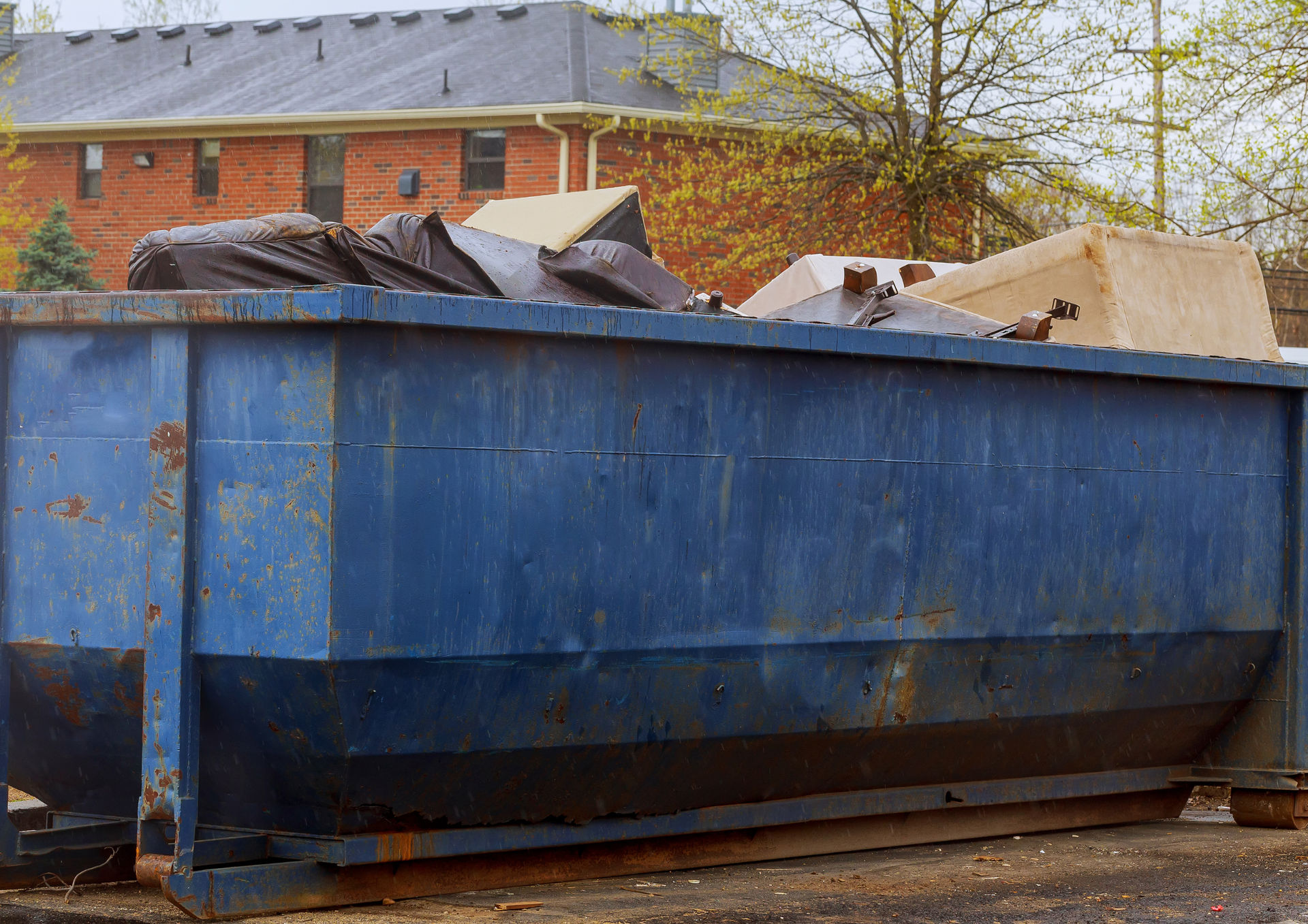
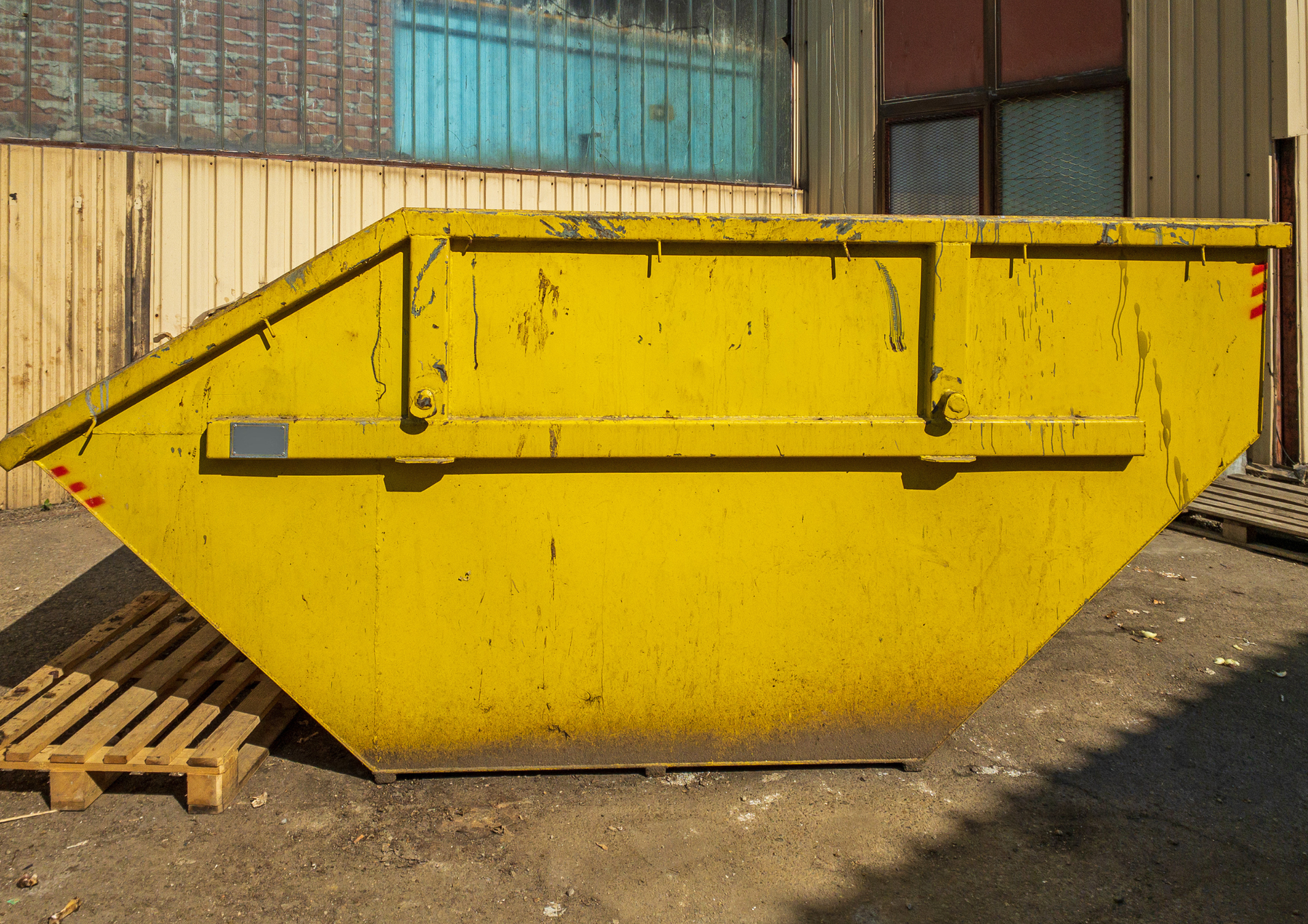
Construction teams may decide to order a skip when planning excavation works so that waste materials can be loaded and removed efficiently. Containers placed close to the excavation area allow workers to dispose of materials quickly without disrupting ongoing operations. Organised disposal arrangements support efficient progress during early construction stages.
Choosing Suitable Containers for Excavation Projects
Excavation works often produce dense materials such as soil, rubble, and broken masonry. Because of the weight of these materials, selecting a suitable container size is an important part of waste management planning.
Containers must be capable of handling the volume of materials produced while remaining suitable for safe transport during collection. Matching container capacity with the type of waste generated helps prevent overloading.
Some property owners and contractors choose to arrange container services through skip online platforms when reviewing available options. Online booking systems can allow customers to compare container sizes and schedule delivery based on project timelines. Selecting the appropriate container ensures waste materials can be removed efficiently without interrupting excavation work.
Maintaining Safe Site Conditions During Excavation
Excavation works often involve heavy machinery, construction teams, and multiple stages of ground preparation. Maintaining safe site conditions is essential to ensure work progresses without unnecessary hazards.
Containers should be positioned where materials can be loaded safely while keeping access routes clear for workers and machinery. Careful placement helps ensure vehicles delivering and collecting containers can operate without disrupting construction activity.
Customers arranging skip's for excavation projects may coordinate container placement with contractors and site managers to ensure the location supports efficient loading. Maintaining clear access around containers also helps ensure collection vehicles can remove them promptly when full.
Coordinating Waste Removal with Groundworks Timelines
Groundworks projects often progress in stages, with excavation followed by foundation preparation, drainage installation, and structural development. Waste removal planning should align with these stages to ensure materials are removed as work progresses.
Containers such as skips that remain on site throughout excavation works allow construction teams to dispose of materials continuously rather than allowing waste to accumulate. This approach helps maintain organised working areas while supporting efficient construction progress.
Clear communication between project managers and waste service providers helps ensure containers are delivered, exchanged, or collected according to the project schedule. By coordinating waste removal with excavation activities, construction teams can maintain efficient and safe site operations.
Skip Hire Cheltenham
provides dependable waste management services for homeowners, landlords, surveyors, contractors, and local authorities managing residential and commercial construction projects. Our team offers practical guidance on container selection, delivery scheduling, and waste disposal planning.
By working closely with our customers, we help ensure skips are delivered and collected efficiently to support groundworks and excavation activities. With responsive service and reliable container solutions, we support projects of all sizes with professional and dependable waste management services.
Update on X:
Skips used for efficient groundworks and excavation waste management.
You might also like