What You’re Allowed to Put in Large Skips – and What to Avoid
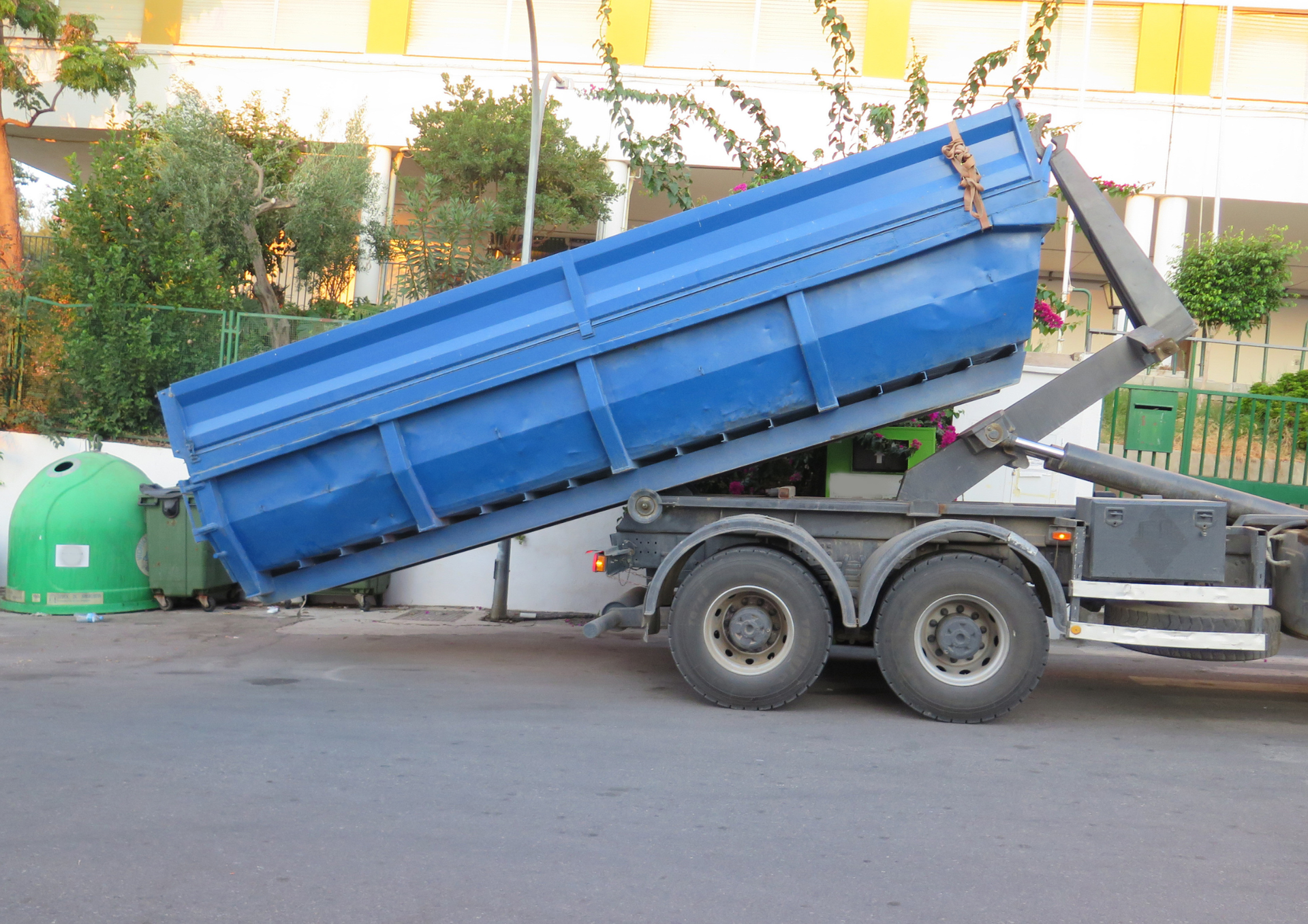
Disposing of waste properly is essential during any large project. Whether you're renovating a home, clearing out an office, or managing waste from a public event, hiring large skips can make the process easier and more organised. However, it’s important to understand the rules around what can and cannot go into a skip. Misuse can lead to extra charges, collection refusals, or even fines.
This blog helps homeowners, builders, and businesses in Cheltenham make informed decisions when using skip hire services.
Items You Can Safely Put in Large Skips
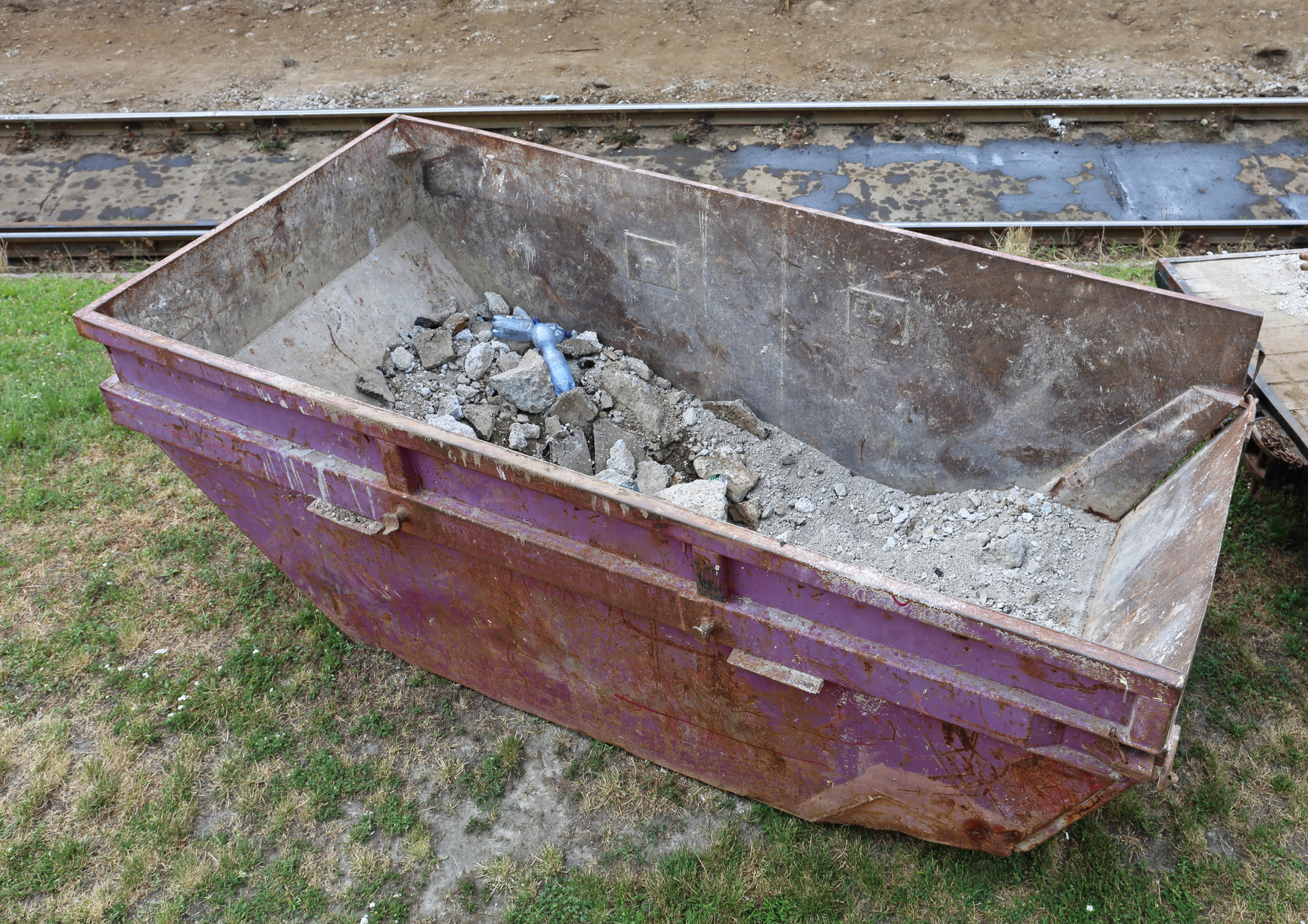
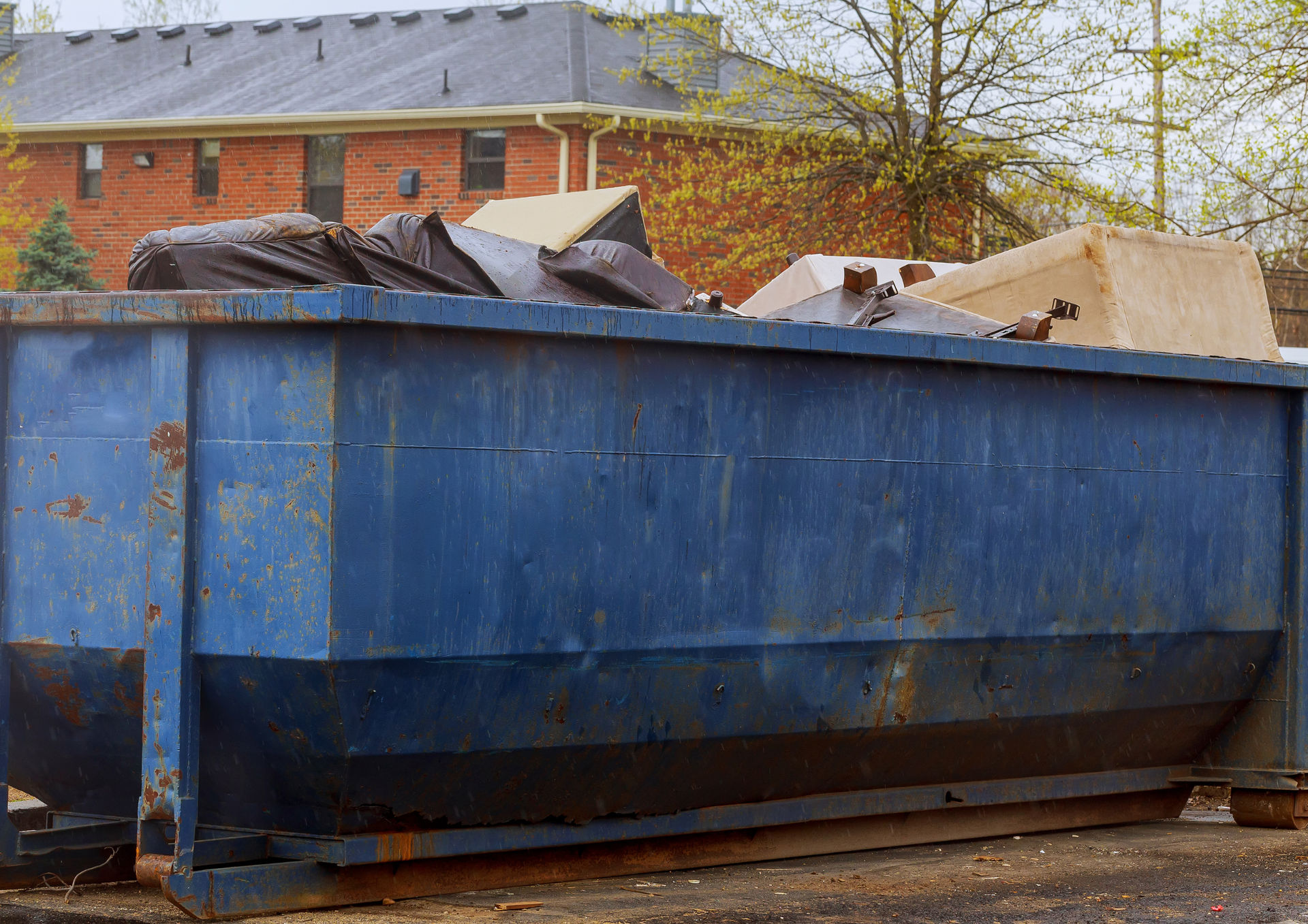
Large skips are suitable for a wide range of general waste. You can place most domestic and commercial non-hazardous items into them. Common acceptable items include old furniture, broken wood, cardboard, clothing, garden waste, soil, metal, and other general rubbish. From a construction point of view, debris such as bricks, plasterboard in small quantities, tiles, and timber are all typically accepted. Businesses clearing offices can use skips for items like shelving, desks, chairs, and packaging materials, as long as they don’t contain any electronics or hazardous components.
To make the most of your space and avoid additional costs, it's important not to overfill the skip. Overloading can lead to collection refusal or added fees. Selecting the correct size is just as important, especially when managing large skip hire prices within your project budget. When in doubt, it’s always better to opt for a slightly larger skip to avoid needing a second one.
Items That Cannot Go in Large Skips
Although large skips can hold a considerable volume of waste, not everything is allowed. There are clear regulations about certain materials that cannot be placed in skips due to environmental and health concerns. Electrical appliances such as TVs, fridges, and microwaves must be disposed of through proper recycling centres. Hazardous waste including asbestos, paint, chemicals, and gas bottles is also strictly prohibited. Tyres, oils, and batteries fall under the same category and require specialist handling. Medical or clinical waste, such as used syringes or pharmaceuticals, is not permitted either.
Disposing of restricted items incorrectly can lead to fines or refusal of collection. If you’re ever unsure, it’s wise to ask your skip provider before placing these items inside. This is especially important when searching for large skip hire near me, as regulations may vary slightly by location, and checking with your provider can help you stay compliant with the law.
Tips for Loading Your Skip Properly
Making the most of your large skip bin hire is about more than just what goes inside. How you load it can affect the efficiency of collection and the overall cost. When starting your project, consider the types of waste you’ll produce and plan your loading approach. Heavier materials such as bricks and rubble should go in first, at the bottom of the skip, to ensure stability. Lighter items like cardboard or plastics can go on top. Breaking down larger objects helps you fit more in and prevents wasted space. Careless loading leads to gaps, and you may find yourself running out of room unexpectedly.
Always keep waste within the skip’s top edge and avoid overfilling. The collection team has the right to refuse to pick up a skip that is unsafe or beyond capacity. By loading your skip methodically, you not only save time but also protect your investment. Given the cost of a large skip, a well-loaded container ensures you maximise value and avoid unnecessary additional charges.
Alternative Disposal Options for Restricted Items
When you come across items that cannot be disposed of through a skip, there are other responsible solutions. Many local councils offer collection services for bulky or hazardous items, often for a small fee. Dedicated recycling centres will accept electrical goods, batteries, paint, and chemicals. In some cases, retailers will take back old appliances when you purchase a replacement, making disposal easier. For larger commercial projects or construction waste that includes restricted materials, hiring a specialist disposal company ensures compliance with local regulations.
For businesses, construction firms, and event organisers in Cheltenham, planning for these types of waste in advance is crucial. It keeps your project on track and reduces the risk of fines or delays. When choosing a large skip bin, understanding what you’ll do with non-permitted items is just as important as managing what will go in the skip.
At
Skip Hire Cheltenham, we understand the challenges that come with waste removal. That’s why we make the process as easy and stress-free as possible for our customers. We offer expert advice, flexible delivery times, and honest pricing. Our team is knowledgeable, friendly, and always ready to guide you on what can and cannot go into your skip. Whether you’re a homeowner, contractor, or business owner, we’ll help you choose the right skip for your needs and support you from booking to collection.
Just out on X:
Large skips – know what you can and can’t dispose of!
You might also like